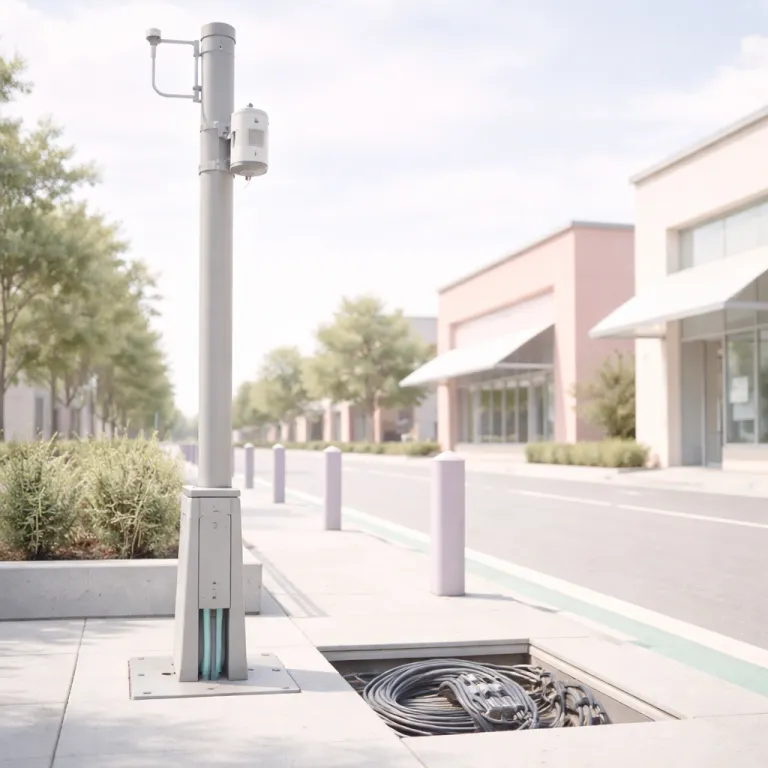
Why lighting foundations matter for every smart lighting project
Smart lighting starts from the ground, where each base quietly carries every light. A strong foundation protects the lighting structures, the electronics, and the long term performance of the products in streets and on any site. When planners ignore lighting foundations, even the best lights and accessories can fail early.
Every light pole depends on a stable pole base that resists soil movement and mode vibration from traffic or wind. When engineers size lighting poles correctly, they also check the second mode of vibration to avoid dangerous oscillations in tall poles and lamp posts. These structural checks are as important as the lighting design itself for safe street lighting and parking lot lighting.
Manufacturers such as valmont provide complete lighting structures, from the buried base to the visible light poles and decorative base covers. Their products show how a single light pole becomes part of a system that includes anchors, foundations, and corrosion protection. When you compare one product to another, always ask how the pole base and foundations are specified for your project.
On a smart site, lighting foundations must also protect cables, sensors, and control boxes inside the poles. A well detailed base keeps moisture away from the smart light components while still allowing maintenance teams to learn from data and replace accessories. This careful design supports reliable street light networks, sports lighting systems, and lot lighting in demanding environments.
For people seeking information, understanding these foundations clarifies why two similar lights can have very different lifetimes. The visible lighting may look identical, yet the hidden base and structures decide how the project performs after storms, traffic growth, and years of vibration. Thinking about lighting foundations early will reduce risk and improve every future project spotlight.
From soil to pole base: engineering the hidden structure
Before a single light pole is installed, engineers study the soil that will support the base. They measure bearing capacity, frost depth, and groundwater, because these factors shape the design of lighting foundations for streets and parking lot areas. A weak soil layer can force deeper foundations or wider pole base dimensions to keep the structures stable.
For street lighting along a busy road, the foundations must resist both wind and vehicle impact. Designers calculate how each light pole behaves under first and second mode vibration, ensuring that resonance does not damage the product or loosen anchor bolts. This careful work protects street lights from fatigue and keeps site lighting safe for pedestrians and drivers.
Modern lighting poles often use round steel or aluminum shafts that connect to reinforced concrete bases. The interface between the base and the pole is critical, because corrosion or poor grouting can compromise the entire lighting structure. Base covers improve appearance, but they must still allow inspection of bolts, grout, and accessories at the bottom of the light poles.
Smart light projects add another layer of complexity, since cables, sensors, and control gear pass through the pole base. Engineers must route these products so that water cannot collect, even when the street or parking lot floods temporarily. Good detailing at the base also simplifies upgrades when new solutions or control products arrive later.
To understand how advanced optics and control interact with structure, many readers learn about lights and lasers in smart lighting as part of their research. Yet the same care applied to optics must also apply to foundations, because a failed base can darken an entire site. Treating lighting foundations as core infrastructure, not an accessory, leads to more resilient projects.
Designing lighting structures for streets, parking lots, and sports sites
Each type of site lighting demands different lighting structures, even when the poles look similar. Street lighting along urban corridors needs taller light poles with precise lighting design to control glare and spill. Parking lot lighting often uses slightly lower poles but higher lumen products to cover wide areas efficiently.
Sports lighting raises the stakes further, because tall poles carry heavy luminaires and experience strong wind loads. Engineers must check both first and second mode vibration to ensure that each light pole remains stable during storms and under dynamic crowd conditions. These calculations directly influence the required pole base size, reinforcement, and embedment depth for the lighting foundations.
On mixed use sites, designers may combine functional street lights with decorative lamp posts to create a coherent visual identity. Decorative poles still rely on robust bases, even when base covers hide the structural details from public view. The choice of round or polygonal poles, and the selection of accessories, should always respect the structural limits of the product.
Manufacturers such as valmont offer coordinated families of lighting poles, brackets, and foundations to simplify this process. Their products allow planners to match street lighting, parking lot lighting, and sports lighting on a single site while keeping structural checks consistent. When evaluating any product, ask for structural data, foundation recommendations, and mode vibration performance, not only photometric files.
For readers interested in advanced show effects, resources on show lights and laser technology explain how dynamic beams interact with urban structures. Even in these expressive projects, the quiet work of lighting foundations and pole bases remains essential. A successful project spotlight balances creative lighting design with conservative structural engineering beneath every pole.
Smart light integration: from product selection to site performance
Smart lighting turns each light pole into a connected node that gathers data and responds to control signals. This transformation changes how planners evaluate products, because the base must now protect electronics as carefully as it supports structures. A robust pole base with sealed access doors and managed cable entries becomes a key part of the product, not just a civil detail.
When selecting lights for street lighting or parking lot lighting, designers compare optics, power, and control options. They should also learn how each product manages heat, moisture, and vibration inside the pole, especially under second mode vibration conditions. Poorly protected drivers or sensors can fail early, even when the visible lighting still appears intact.
On complex sites, accessories such as brackets, banners, and cameras add extra loads to lighting poles. Each accessory changes the wind profile of the pole and may alter the required lighting foundations, particularly for tall street lights and sports lighting masts. Structural engineers must review these changes so that the pole base and anchor system remain adequate for the final configuration.
Readers comparing lamp posts and light poles for residential or commercial projects can benefit from detailed buying guides. One useful resource explains how to choose the right E26 LED globe for smart lighting needs and can be accessed through this guide to smart lamp products. While that guide focuses on lamps, the same disciplined approach should apply to foundations, poles, and accessories on any site.
In many projects, valmont and other manufacturers provide complete solutions that integrate lighting structures, control gear, and decorative elements. Their coordinated products simplify maintenance, because technicians can work with consistent base covers, access doors, and wiring layouts across the site. This consistency improves safety, reduces errors, and supports long term performance of both lighting and smart systems.
Managing vibration, impact, and long term durability
Real world sites expose lighting poles to constant vibration from wind, traffic, and nearby machinery. Engineers model first and second mode vibration to predict how each light pole will move under these conditions. If the natural frequency of the pole matches the forcing frequency, resonance can damage the product and loosen the pole base over time.
To prevent these issues, designers adjust pole height, wall thickness, and base stiffness until the mode vibration behavior is acceptable. For tall sports lighting masts or highway street lights, this process may include damping devices or special accessories to control oscillations. These measures protect both the lighting structures and the sensitive electronics inside smart light products.
Impact resistance is another critical factor, especially for street lighting near high speed roads or busy parking lot entrances. Foundations must be designed so that a struck light pole behaves predictably, reducing risk to people and nearby structures. In some regions, breakaway pole bases are required, which changes how lighting foundations and base covers are detailed.
Corrosion protection extends the life of both poles and foundations, particularly in coastal or industrial environments. Galvanized steel, protective coatings, and sealed base details help keep moisture and salts away from structural components and accessories. Regular inspections at the pole base, under the base covers, allow teams to learn about emerging issues before they threaten the site lighting network.
Over decades, these durability choices shape the total cost of ownership for street lights, parking lot lighting, and sports lighting installations. A slightly higher investment in robust lighting foundations and quality products from established manufacturers such as valmont often yields better long term value. For people seeking information, understanding these trade offs supports more informed decisions about every future project spotlight.
Planning, specification, and practical guidance for informed projects
Successful projects begin with clear performance goals for lighting, safety, and aesthetics on each site. Planners define target illuminance levels for street lighting, parking lot lighting, and sports lighting, then align these goals with realistic budgets. At the same time, they specify structural criteria for lighting poles, pole bases, and lighting foundations to ensure long term reliability.
During specification, it is essential to treat each light pole and its base as a single integrated product. Documents should describe not only the luminaires and optics, but also the required pole base dimensions, reinforcement, and corrosion protection. Including details for base covers, access doors, and accessories helps contractors deliver consistent lighting structures across the project.
When reviewing proposals, decision makers should compare complete solutions rather than isolated products. A bid that includes coordinated lighting poles, foundations, and accessories from a single manufacturer such as valmont may simplify installation and maintenance. Evaluating how each solution manages mode vibration, second mode behavior, and impact resistance leads to safer street lights and lamp posts.
Smart light projects also require clear communication channels for support and maintenance. Project teams typically share an email protected contact for reporting issues, requesting product data, or scheduling inspections of pole bases and lighting structures. Keeping this information accessible helps operators learn from field experience and refine future lighting design choices.
For people seeking information, asking targeted questions during planning can reveal hidden risks and opportunities. Questions about soil conditions, foundation design, and long term access to accessories often expose gaps in early project documents. Addressing these topics early ensures that lighting foundations, products, and site lighting solutions work together as a coherent system.
Future ready lighting foundations for evolving smart cities
As cities adopt more sensors, communication devices, and smart services, each light pole becomes valuable real estate. Lighting structures that once carried only street lights now host cameras, antennas, and environmental sensors on many sites. This evolution increases the importance of robust lighting foundations and flexible pole bases that can accept new accessories.
Designers increasingly specify larger conduits and accessible base compartments so that future products can be added without major civil works. Round poles with generous internal space and removable base covers make it easier to route new cables and devices. These details support adaptive street lighting, responsive parking lot lighting, and data rich sports lighting systems.
Manufacturers such as valmont respond with modular product families that share common bases, pole geometries, and accessories. This approach allows cities to standardize on a few lighting poles and lamp posts while still varying heights, arms, and decorative elements. Standardization simplifies maintenance, improves spare part availability, and strengthens the business case for long term investments in lighting foundations.
For readers exploring how light and technology shape public spaces, analyses of advanced smart lighting show how control and optics continue to evolve. Yet beneath every innovation, the quiet reliability of the pole base and foundation remains essential to public trust. When people feel safe under well lit streets and plazas, they rarely think about the structures that hold each light.
Looking ahead, resilient lighting foundations will support both current luminaires and future devices that we cannot yet specify. By focusing on strong bases, well engineered lighting poles, and carefully detailed accessories today, cities create flexible platforms for tomorrow’s solutions. This mindset turns every project spotlight into a long term asset for the community, not just a short term installation.
Key statistics about lighting foundations and smart lighting
- Include here quantitative statistics from trusted engineering or lighting bodies about pole failures, vibration issues, or maintenance costs when such data is available.
- Highlight typical design lifetimes for street lighting structures and foundations, expressed in years of service under standard conditions.
- Note common pole heights and foundation depths for street lights, parking lot lighting, and sports lighting in urban environments.
- Mention indicative percentages of project cost represented by lighting structures and foundations compared with luminaires and controls.
- Summarize maintenance intervals recommended for inspecting pole bases, base covers, and anchor systems on public lighting networks.
Questions people also ask about lighting foundations
How do lighting foundations affect the safety of street lighting
Lighting foundations anchor each light pole, preventing tilting, collapse, or excessive vibration that could endanger road users. Properly designed pole bases resist wind, impact, and soil movement, keeping street lights stable over many years. Regular inspections of bases, anchors, and base covers further protect public safety on busy streets.
What is the difference between a light pole and its pole base
The light pole is the visible vertical structure that supports the luminaires and accessories. The pole base is the buried or partially exposed foundation that transfers loads from the pole into the ground. Together they form a single structural system that must be designed and installed as one coordinated product.
Why is mode vibration important for lighting poles
Mode vibration describes how a pole naturally moves when excited by wind or traffic. If the forcing frequency matches the first or second mode, resonance can cause large oscillations and fatigue damage. Engineers analyze these modes to adjust pole geometry, wall thickness, and foundations so that vibration remains within safe limits.
How should I plan lighting foundations for a parking lot project
Start by defining pole heights, luminaire types, and expected wind conditions on the site. A structural engineer can then size the lighting foundations, pole bases, and anchors to support the selected products and accessories. Coordinating electrical routing, drainage, and access at the base ensures reliable parking lot lighting over the project’s life.
Can decorative lamp posts use the same foundations as standard street lights
Decorative lamp posts sometimes share similar foundations with standard street lights, but not always. Differences in height, weight, and exposed surface area can change the required pole base size and reinforcement. Designers should always verify structural data for each decorative product instead of assuming compatibility with existing lighting foundations.
Trusted sources for further reading
- Illuminating Engineering Society (IES)
- International Commission on Illumination (CIE)
- European Committee for Standardization (CEN) standards on lighting columns and foundations