Understanding the challenges of lighting dark spaces
Why lighting dark spaces is a real challenge
Many people struggle to create a comfortable atmosphere in rooms with little or no natural light. Whether it’s a north facing living room, a basement, or a windowless hallway, these spaces often feel cold, unwelcoming, or simply too dim for daily activities like reading or relaxing. The lack of sunlight can make a room feel smaller and less inviting, and it can even affect your mood and productivity. Choosing the right lighting solutions is essential for transforming these dark rooms into functional and enjoyable spaces.
Common issues in dark rooms
- Insufficient light sources: Relying on a single ceiling light or outdated fixtures often leaves corners in shadow and fails to brighten the whole space.
- Poor color choices: Using bulbs with the wrong color temperature, such as harsh white or overly cool LEDs, can make a room feel sterile or gloomy.
- Limited flexibility: Fixed lighting doesn’t adapt to different needs, whether you want accent lighting for a cozy evening or bright light for working at a table.
- Ignoring reflective surfaces: Not using mirrors or light-colored walls means missing out on ways to bounce light around the room and enhance brightness.
How traditional lighting falls short
Standard lighting options often don’t address the unique needs of dark spaces. Table lamps or wall lights may not be enough, and adding more fixtures can clutter the room. Many people overlook the impact of night lights and accent lighting in creating a layered, inviting atmosphere. Without a thoughtful approach, it’s easy to end up with a space that’s either too dim or uncomfortably bright.
What to consider before upgrading
Before choosing new lighting solutions, think about the room’s purpose, the amount of natural light available, and how you want the space to feel. Consider the best placement for lights, the benefits of warm white versus cool white LEDs, and how features like dimming or color-changing can help you adapt the lighting to your needs. In the next sections, we’ll look at how smart lighting technology can address these challenges and help you create a more comfortable, flexible, and visually appealing environment.
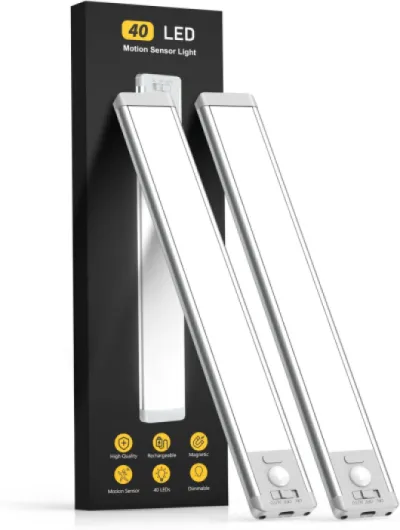
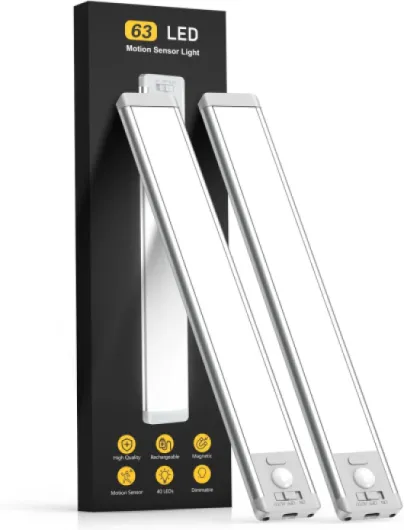
- + Rechargeable and wireless for easy installation
- + Motion sensor feature for automatic lighting
- + 5 levels of dimming for customizable brightness
- + Magnetic design for flexible placement
- + Compact size fits under cabinets or in closets

How smart lighting technology works in dark environments
Smart Sensors and Adaptive Lighting
Smart lighting systems use advanced sensors to detect the level of natural light in a room. This means that in a dark room or a north facing space with little natural light, the system can automatically adjust the brightness and color temperature of your lights. For example, when the sky is overcast or the sun sets, smart lights will increase their output, making the room feel brighter and more inviting. These systems can also be programmed to respond to movement, so lights turn on when someone enters a dark space, improving safety and convenience.
Customizing Light for Every Space
One of the key features of smart lighting is the ability to create personalized lighting scenes. Whether you want warm white light for reading in the living room or accent lighting to highlight a wall or mirrors, smart lights let you adjust settings through an app or voice control. LED strip lights and table lamps can be placed strategically to brighten dark corners or add a touch of color. With smart lighting solutions, you can experiment with different light sources and colors to find what works best for each room.
Integration with Home Systems
Smart lighting often integrates with other smart home devices, such as smart locks or privacy systems. For example, pairing your lighting with a mortise smart lock can trigger lights to turn on when you unlock the door, making dark rooms welcoming as soon as you arrive. This kind of automation not only improves comfort but also enhances security and privacy, especially in areas where lighting dark spaces is a challenge.
- Smart LEDs offer a range of colors, from cool white to warm tones, helping you create the best atmosphere for each activity.
- LED strips can be installed along walls, behind furniture, or under cabinets to add subtle, effective lighting to dark areas.
- Accent lighting can highlight artwork, architectural features, or even a daisy arrangement, making the room feel more dynamic.
By understanding how smart lighting adapts to your environment, you can make informed decisions about which lighting solutions will work best for your home. This technology is not just about making a space brighter; it's about creating a comfortable, flexible, and energy-efficient living environment.
Key benefits of using smart lighting for dark areas
Enhancing Comfort and Functionality in Dark Spaces
Smart lighting offers more than just brightness in a dark room. It adapts to your needs, making any space feel inviting and functional. Whether you want to create a cozy reading nook, highlight a feature wall, or simply make a north facing living room feel brighter, smart lights provide tailored solutions. With adjustable color temperatures, you can shift from cool white for tasks to warm white for relaxation, all with a tap or voice command.
Personalized Lighting for Every Room
One of the best features of smart lighting is its ability to adjust to different rooms and activities. In dark rooms, you can use accent lighting or LED strips to illuminate shelves, mirrors, or even the ceiling, mimicking natural light and reducing harsh shadows. Table lamps with smart bulbs let you fine-tune the ambiance, while LED strip lights under cabinets or along the floor create subtle guidance in the dark. This flexibility helps you make every space, from bedrooms to living rooms, feel just right.
Energy Efficiency and Cost Savings
Smart LED lights are designed to use less energy than traditional bulbs. They last longer and can be programmed to turn off automatically when not needed, saving on electricity bills. This is especially useful in rooms that don’t get much natural light, where lights might otherwise be left on for hours. By choosing the right lighting solutions, you can brighten your home efficiently and sustainably.
Improved Mood and Wellbeing
Lighting has a direct impact on how a room feels. Smart lighting lets you adjust brightness and color to match your mood or the time of day. For example, a warm white glow in the evening can help you unwind, while brighter, cooler light during the day can boost focus and energy. In dark spaces, this control is essential for creating a comfortable environment that supports your wellbeing.
Easy Integration and Control
Modern smart lights are easy to install and control. Many systems work with your phone, voice assistants, or even email alerts for system updates. You can daisy chain LED strips or connect multiple lights to cover larger spaces. For those seeking the best smart lighting solutions, compatibility and integration are key factors to consider.
- Customize lighting for each room and activity
- Save energy with efficient LED technology
- Enhance privacy and comfort in dark rooms
- Use accent lighting to create depth and interest
- Control lights remotely for convenience and security
Smart lighting transforms dark spaces by making them more adaptable, energy-efficient, and comfortable. With the right setup, even the darkest room can feel bright, welcoming, and perfectly suited to your needs.
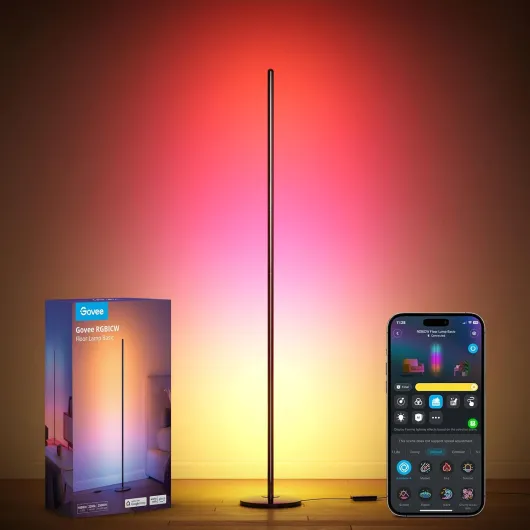
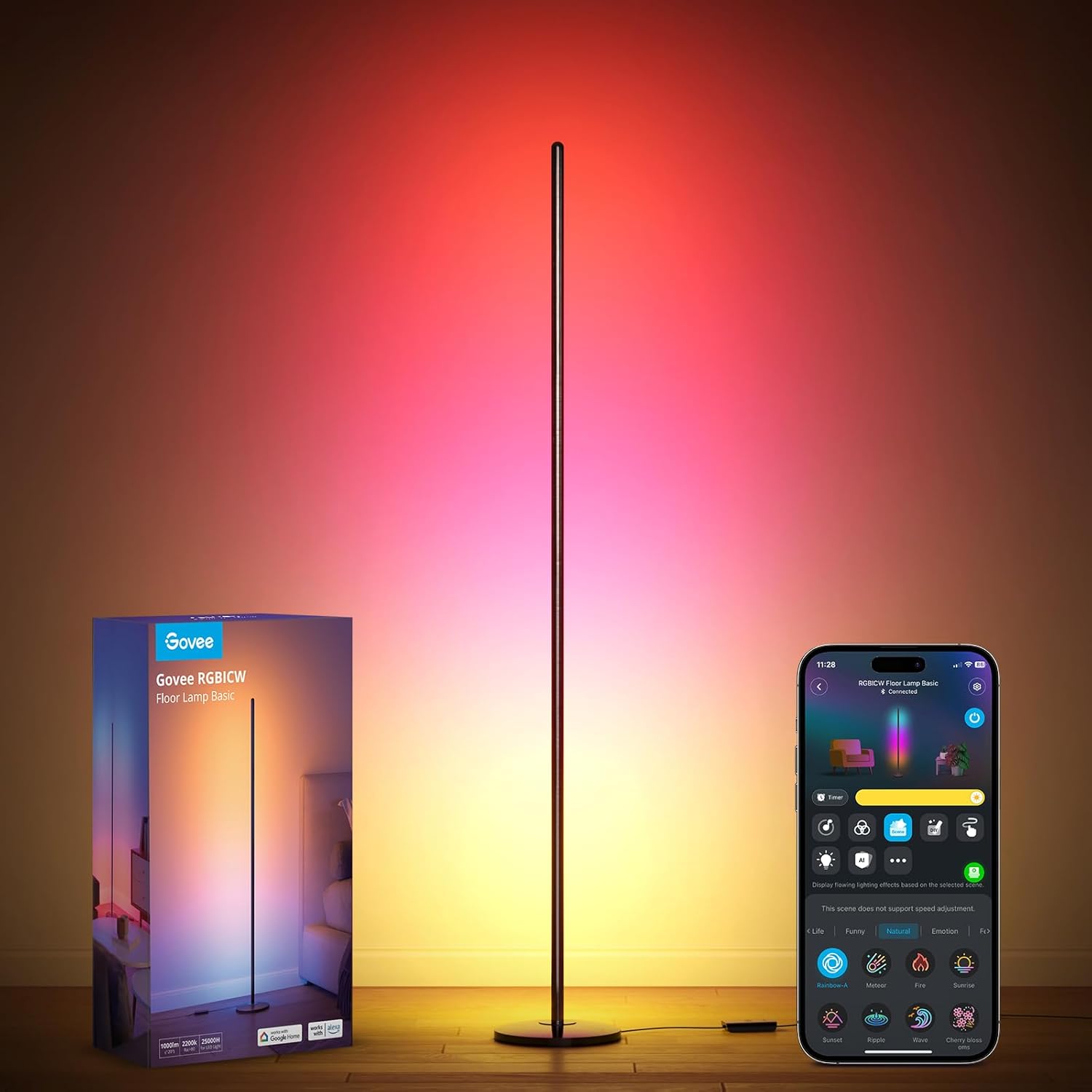
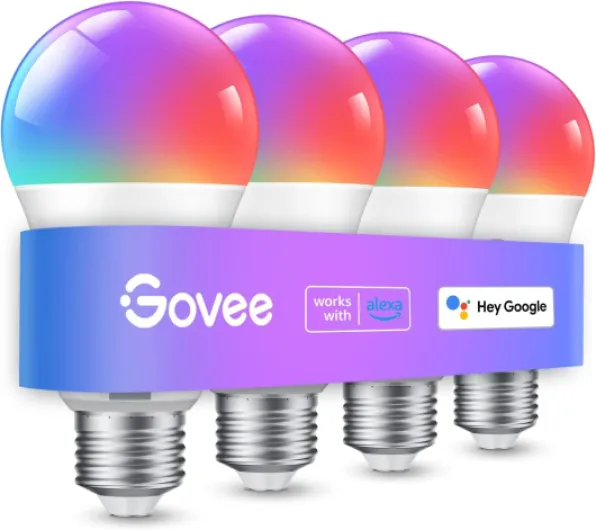
- + Works with Alexa
- + 1000 Lumen brightness
- + Music Sync feature
- + 16 Million DIY Colors
- + Color Changing
Choosing the right smart lighting solutions for your needs
Factors to Consider for Effective Smart Lighting
When selecting smart lighting solutions for a dark room, it’s important to look beyond just brightness. The right choice will depend on the size of your space, the existing natural light, and the specific needs of each room. For example, a north facing living room may require different lighting than a windowless basement or a reading nook. Here are some key factors to keep in mind:
- Light Source Type: LED lights and LED strips are popular for their energy efficiency and flexibility. LED strip lighting can be used to highlight walls, mirrors, or even create a soft glow along the ceiling, making a dark room feel more open.
- Color Temperature: Warm white LEDs can create a cozy atmosphere, while cooler white lights are better for tasks like reading. Adjustable color options let you tailor the mood for each space.
- Accent Lighting: Use accent lighting to draw attention to artwork, architectural features, or to add depth to dark corners. Table lamps and wall-mounted lights are great for layering light in a room.
- Smart Features: Look for lights that offer scheduling, dimming, and scene-setting. These features help you adapt the lighting throughout the day and night, especially in rooms with little natural light.
- Integration: Consider whether your smart lights will work with your existing home system. Some solutions are compatible with voice assistants, while others may require a dedicated app or hub.
Matching Lighting Solutions to Your Space
Different rooms have different lighting needs. For example, a living room benefits from layered lighting, combining overhead fixtures with table lamps and LED strips for accent. In a dark sky-themed bedroom, soft, dimmable lights can help create a relaxing environment. If privacy is a concern, smart lights can be programmed to mimic natural light patterns, making your space feel brighter without opening curtains or blinds.
| Room | Recommended Lighting Solutions |
|---|---|
| Living Room | Layered lighting with LED strips, table lamps, and accent lighting |
| Bedroom | Warm white LEDs, dimmable lights, wall-mounted fixtures |
| Reading Nook | Focused task lighting, adjustable color temperature |
| Bathroom | Bright, white LED lights, mirror lighting |
| Hallways | Motion-activated LED strips, accent lighting |
When choosing smart lighting, always check the product’s privacy policy and terms privacy to ensure your data is protected. For those interested in the latest tips and product updates, many brands offer email newsletters—subscribe today to stay informed. Remember, the best lighting solutions are those that adapt to your lifestyle and make every dark room feel inviting and functional.
Practical tips for optimizing lighting in dark rooms
Maximize Natural Light Where Possible
If your room has any windows, make the most of them. Keep window areas clear of heavy curtains or furniture. Use light, sheer fabrics to let in as much natural light as possible. For north facing rooms, which often feel cooler and darker, opt for warm white LED lights to balance the lack of sunlight and create a cozy atmosphere.Layer Your Lighting
Combining different types of lighting helps eliminate shadows and makes a dark room feel more inviting. Use a mix of ceiling lights, table lamps, and accent lighting. LED strips along shelves or behind furniture can add depth and highlight features. Wall-mounted lights or sconces can brighten up corners and make the space feel larger.Choose the Right Color Temperature
Warm white LEDs (around 2700K to 3000K) are ideal for living rooms and bedrooms, as they create a relaxing mood. In spaces where you need focus, like a reading nook, opt for a slightly cooler white. Avoid lights that are too blue or too harsh, as they can make a dark room feel cold and unwelcoming.Use Mirrors and Reflective Surfaces
Strategically placing mirrors on walls opposite windows or light sources helps bounce light around the room. Glossy finishes on furniture or decor can also reflect light, making the space feel brighter and more open. This is especially effective in dark rooms with limited natural light.Smart Controls for Flexibility
Smart lighting solutions let you adjust brightness and color with ease. Use dimmers to set the right mood for different times of day. Group lights together by zones, so you can control multiple lights at once—ideal for larger rooms or open-plan spaces. Scheduling lights to turn on gradually can mimic sunrise, helping you wake up naturally even in rooms with little daylight.Accent Lighting for Depth
Highlight artwork, bookshelves, or architectural features with focused accent lighting. LED strip lights are a popular choice for adding subtle illumination under cabinets or along the ceiling. This not only brightens dark areas but also adds character to the room.- For reading, position a table lamp with a focused beam next to your chair or bed.
- In rooms with a dark sky view, use layered lighting to avoid a cave-like feel.
- Consider privacy needs—smart lights can be programmed to dim or change color in the evening for a more private, restful environment.
Remember to review the privacy policy and terms privacy of your smart lighting app or device to ensure your data is handled responsibly. If you want more tips and updates on lighting solutions, subscribe today to stay informed about the best ways to light dark spaces.
Common mistakes to avoid when lighting dark areas with smart lights
Overlooking Layered Lighting
Many people try to light a dark room with just one light source. This often leaves corners and walls in shadow, making the space feel smaller and less inviting. Combining overhead lights, table lamps, and accent lighting like LED strips helps create a balanced, welcoming atmosphere. For example, using LED strip lights behind mirrors or along a wall can add depth and brighten up a north facing room.Choosing the Wrong Color Temperature
Selecting the best color temperature is crucial. Cool white lights can make a dark room feel stark, while warm white lighting creates a cozier mood. In living rooms or reading spaces, warm LED bulbs are often preferred. Always check the color options when choosing lighting solutions for dark rooms.Ignoring Natural Light and Room Layout
Not taking advantage of natural light or the room’s layout is a common mistake. Placing mirrors opposite windows or light sources helps reflect light and brighten the space. Avoid blocking windows with heavy curtains or furniture. In north facing rooms, maximize any available daylight to complement your smart lights.Overusing Brightness
It’s tempting to use the brightest lights possible in a dark space, but this can create glare and discomfort. Instead, layer different light sources and use dimmable smart lights to adjust brightness as needed. This approach helps create a comfortable room feel for various activities, from reading to relaxing.Neglecting Privacy and Glare
Bright lights near windows can reduce privacy, especially at night. Consider using smart lighting with adjustable brightness or privacy-focused placement. Accent lighting and LED strips can highlight features without exposing the whole room to the outside, maintaining both privacy and ambiance.Forgetting About Smart Features
Smart lights offer features like scheduling, color changes, and remote control. Not using these can limit your lighting’s effectiveness. Set up routines for different times of day, or use warm white in the evening to mimic natural light and support relaxation.- Don’t forget to check the terms privacy policy of your smart lighting provider before subscribing or sharing your email.
- Explore options like daisy chaining LED strips for larger rooms or unique layouts.
- Table lamps and accent lighting can help create zones in open spaces or large rooms.
By avoiding these common mistakes, you’ll make your dark sky or dark room more comfortable and visually appealing. For more tips, subscribe today to stay updated on the best lighting solutions for every space.