
Understanding warmlight in smart lighting
What Makes Warmlight Unique in Smart Lighting?
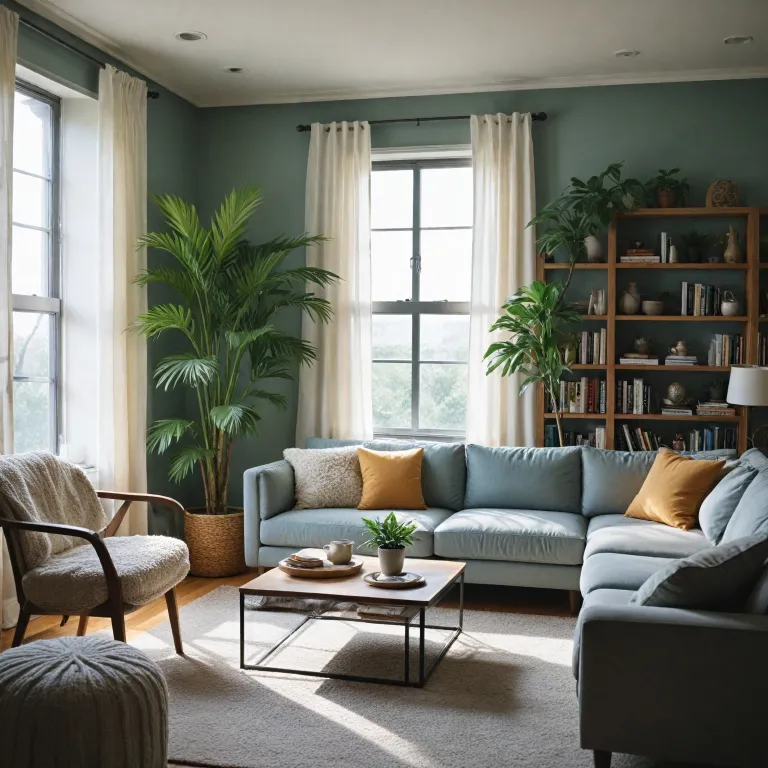
Warmlight, often called warm white, refers to a specific color temperature in lighting. It typically ranges from 2700K to 3000K on the Kelvin scale. This range produces a soft, yellowish glow similar to traditional incandescent bulbs. Many people prefer this light source for its cozy and inviting feel, especially in living rooms, bedrooms, and spaces where relaxation is key.
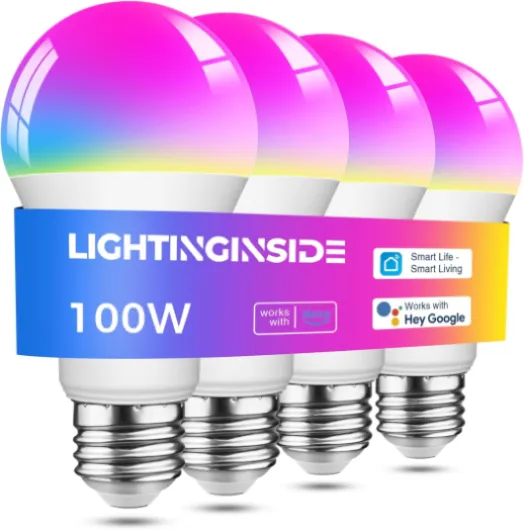
Smart lighting products, including LED lamps, bulbs, and floor lamps, now offer advanced control over color temperature. With these smart products, users can easily switch between warm and cool light, or even adjust brightness to create the perfect ambient lighting for any occasion. Unlike standard lamps, smart lights can be dimmable and programmable, allowing for a tailored lighting experience that suits different moods and activities.
Why Color Temperature Matters
Understanding color temperature is essential when choosing lighting for your home. Warmlight creates a welcoming atmosphere, while cool white or daylight options (above 4000K) are better for task lighting in kitchens or offices. The right color temperature impacts not just the look of your space, but also your comfort and well-being. For those interested in maximizing natural light, skylight tubes are another innovative solution to consider alongside smart lamps and bulbs.
- LED light bulbs and LED lamps are popular for their energy efficiency and long lifespan.
- Smart lighting products often include features like remote control, scheduling, and integration with home assistants.
- Recycled materials are increasingly used in the production of sustainable lighting products.
As you learn more about smart lighting, you’ll discover how warmlight stands out from other options, and how it can be delivered through various products, from table lamps to floor lamps and even lamp dimmable models. The next sections will explore the benefits of using warmlight at home and practical tips for integrating it into your lighting setup.

Benefits of using warmlight at home
Enhancing Comfort and Well-being with Warm Light
Choosing warm light for your smart lighting setup can make a noticeable difference in your daily life. Warm white light, typically with a color temperature around 2700K to 3000K, is known for its soft, inviting glow. This type of light source closely mimics the gentle ambiance of traditional incandescent bulbs, making it ideal for living rooms, bedrooms, and spaces where relaxation is a priority.
- Improved Ambiance: Warm light creates a cozy, welcoming atmosphere. Whether you use a table lamp, floor lamp, or smart LED bulbs, the effect is a more comfortable and inviting space.
- Better Sleep Patterns: Exposure to cooler white or blue-toned lights in the evening can disrupt sleep. Warm light, on the other hand, supports natural circadian rhythms, helping you wind down at night.
- Versatile Lighting: Many smart products offer lamp dimmable features, letting you adjust the intensity of your warm light to suit different activities, from reading to watching TV.
- Energy Efficiency: Modern LED lamps and bulbs deliver warm light efficiently, using less energy than standard incandescent lamps. Some products are even made from recycled materials, supporting sustainability.
- Design Flexibility: With a wide list of smart lighting products available, you can find warm light options for every room, from a lamp warm for your bedside to ambient lighting in your living room.
When comparing warm light to cool white or standard white light, the difference in mood and comfort is clear. While cool light may be suitable for task lighting in kitchens or offices, warm light excels in spaces where you want to relax and feel at home. For more on how lighting placement can further enhance your smart home, learn about side lighting techniques that complement your choice of warm light sources.
| Lighting Type | Color Temperature | Best For |
|---|---|---|
| Warm Light | 2700K - 3000K | Living rooms, bedrooms, ambient lighting |
| Cool White | 3500K - 4100K | Kitchens, bathrooms, workspaces |
| Daylight | 5000K - 6500K | Task lighting, garages, offices |
By understanding the benefits of warm light and selecting the right smart lighting products, you can create a more pleasant and functional home environment. Whether you prefer a classic lamp, modern LED lamp, or integrated smart lights, the right color temperature makes all the difference.
How smart lights deliver warmlight
How smart lighting systems create a warm atmosphere
Smart lights are designed to mimic the inviting glow of traditional lamps and bulbs, but with much more flexibility. The key to delivering warmlight lies in the control of color temperature, which is measured in Kelvin. Lower Kelvin values (around 2700K to 3000K) produce a warm white or warm light, similar to what you get from a classic incandescent lamp. This is ideal for living rooms, bedrooms, and spaces where you want a cozy, relaxing feel.
Technologies behind warmlight delivery
- LED bulbs and lamps: Most smart lighting products use LED technology, which allows for precise adjustment of color temperature. You can switch from cool white to warm white with a simple app or voice command.
- Smart controls: Smart lamps, table lamps, and floor lamps often come with dimmable features. This means you can fine-tune the brightness and warmth to match your mood or activity.
- Preset scenes: Many smart lighting systems offer pre-programmed scenes for different times of day or activities, making it easy to set a warmer lamp tone for evenings or a cooler light for focus.
- Integration with other products: Some smart lights can work alongside natural light sources, such as skylight tubes. If you want to learn more about how natural light can complement your smart lighting, check out this guide on brightening your home naturally.
Choosing the right smart light bulbs and lamps
When selecting smart lighting products for a warmer ambiance, look for bulbs and lamps labeled as warm white or with adjustable color temperature. Many brands offer a list of compatible products, including recycled and eco-friendly options. LED lamps and bulbs are the standard for energy efficiency and long life. For ambient lighting, consider a floor lamp or table lamp with a lamp dimmable feature, so you can adjust the light source as needed.
Smart lighting for every room
Whether you want a light warm effect in your living room or a warmer lamp for your bedroom, smart lights make it easy to customize. Some systems allow you to set schedules, so your lights automatically shift from cool light during the day to warm light in the evening. This not only enhances comfort but also supports your natural sleep cycle.
| Product Type | Color Temperature Range | Best Use |
|---|---|---|
| LED light bulbs | 2700K – 6500K | General lighting, adjustable warmth |
| Floor lamp | Warm white to cool white | Ambient lighting in living rooms |
| Table lamp | Warm light | Reading, bedside lighting |
| Lamp dimmable | Variable | Customizable for any mood |
Practical tips for integrating warmlight
Simple Ways to Add Warmlight to Your Home
Integrating warm light into your smart lighting setup can be straightforward, whether you’re starting from scratch or upgrading existing lamps. Here are some practical tips to help you achieve a cozy, inviting atmosphere with smart lights and warm white bulbs.
- Choose the right color temperature: Look for smart LED bulbs labeled as "warm white" or with a color temperature around 2700K to 3000K. This range closely mimics the soft glow of traditional incandescent lamps, making it ideal for living rooms, bedrooms, and dining areas.
- Mix lamp types for layered lighting: Combine floor lamps, table lamps, and ceiling fixtures to create ambient lighting. Using multiple light sources helps distribute warm light evenly and reduces harsh shadows.
- Opt for dimmable products: Many smart LED lamps and bulbs are dimmable, allowing you to adjust brightness and warmth to suit different moods or activities. Check that your chosen product supports dimming and is compatible with your smart home system.
- Use smart controls for flexibility: Smart lighting apps let you schedule when your lights turn on or off, change color temperature, or set scenes. For example, you can program your living room lamp to emit a warmer light in the evening for relaxation.
- Consider recycled or eco-friendly options: Some brands offer recycled materials in their lamp designs or packaging. Choosing sustainable products can help reduce your environmental impact while enjoying the benefits of smart lighting.
- Test placement for best results: Place lamps in corners or behind furniture to bounce warm light off walls, creating a softer, more inviting glow. Experiment with different lamp heights and positions to find what works best for your space.
Quick Reference Table: Integrating Warmlight
| Lighting Product | Best Use | Color Temperature | Smart Feature |
|---|---|---|---|
| LED Light Bulbs (Warm White) | General lighting, lamps | 2700K–3000K | Dimmable, color control |
| Floor Lamp (Smart LED) | Living room, ambient lighting | Adjustable (warm to cool) | App control, scheduling |
| Table Lamp (Smart) | Bedside, reading | Warm white | Voice control, dimmable |
| Lamp Dimmable (LED) | Accent lighting | Warm/cool adjustable | Scene setting |
By carefully selecting and positioning your smart lighting products, you can create a warm, comfortable environment that enhances your daily life. Whether you prefer a classic lamp or a modern LED light, focusing on color temperature and smart features will help you achieve the perfect balance of style and function.
Comparing warmlight to other lighting options
How does warmlight stack up against other lighting types?
When choosing lighting for your home, it’s important to compare warmlight with other popular options. Warmlight, often described as warm white or soft white, typically has a color temperature between 2700K and 3000K. This gives off a cozy, inviting glow that’s ideal for living rooms, bedrooms, and spaces where you want to relax. But how does it compare to other light sources and color temperatures?
| Lighting Type | Color Temperature | Typical Use | Key Features |
|---|---|---|---|
| Warmlight (Warm White) | 2700K–3000K | Living room, bedroom, ambient lighting | Cozy, relaxing, enhances comfort |
| Cool White | 3500K–4100K | Kitchen, bathroom, workspaces | Brighter, more energizing, crisp |
| Daylight | 5000K–6500K | Task lighting, garages, offices | Very bright, mimics natural daylight, can feel harsh |
| Standard Incandescent | 2700K | General home use | Traditional warm glow, less energy efficient |
| LED (Variable) | 2700K–6500K | All rooms, depending on bulb | Energy efficient, customizable color, long lifespan |
What makes warmlight a preferred choice?
- Comfort: Warmlight lamps and bulbs create a soothing environment, especially in areas like the living room or bedroom where relaxation is key.
- Versatility: Many smart lights and LED lamps offer dimmable features, letting you adjust the light warm intensity to suit different moods or activities.
- Energy Efficiency: Modern LED light products deliver warm light with less energy use compared to standard incandescent bulbs, and some are even made from recycled materials.
- Design Flexibility: Whether you’re using a floor lamp, table lamp, or integrated ceiling lights, you can find smart products that deliver consistent warm color and ambient lighting.
When might you choose cool light or daylight instead?
While warmlight is excellent for comfort and ambiance, cool white or daylight bulbs are often better for tasks that require focus and clarity. For example, a kitchen or workspace may benefit from a cooler, brighter light source. Some smart lighting systems allow you to switch between warm and cool settings, giving you flexibility based on the time of day or activity.
Summary list: warmlight vs. other options
- Warmlight: Best for relaxation, living spaces, and creating a welcoming atmosphere.
- Cool white: Good for kitchens, bathrooms, and areas needing clear, bright light.
- Daylight: Ideal for task lighting, reading, or workspaces where visibility is crucial.
- LED lamps: Offer adjustable color temperature, energy savings, and long life.
- Standard bulbs: Less efficient, but familiar warm glow.
Common challenges and solutions with warmlight in smart lighting
Addressing Flicker and Dimming Issues
One of the most common challenges with smart lighting, especially when using warm light or warm white settings, is flickering or inconsistent dimming. This can happen if the lamp or bulbs are not fully compatible with your smart system. Some LED light products, particularly older or non-dimmable models, may not deliver smooth transitions between brightness levels. To minimize these issues, always check if your light bulbs are labeled as "dimmable" and ensure they match the color temperature range your smart system supports. If you use a floor lamp or table lamp with a smart bulb, make sure the lamp's built-in dimmer (if any) is compatible with LED technology.
Managing Color Temperature Consistency
Achieving a consistent warm light effect across different lights and lamps can be tricky. Not all products labeled as "warm white" or "warm" have the same color temperature. For example, one LED lamp might emit a slightly cooler tone than another, even if both are marketed as warm. To create cohesive ambient lighting in your living room or other spaces, try to use the same brand and model for all your light sources. This helps maintain a uniform light warm effect, avoiding unwanted shifts between cool light and warmer lamp tones.
Dealing with Compatibility and Connectivity
Smart lighting relies on reliable wireless connections. Sometimes, smart bulbs or lamps led may lose connection with your hub or app, causing delays or failures in delivery of commands. To reduce these problems, keep your products updated with the latest firmware and ensure your Wi-Fi or Zigbee network is strong throughout your home. If you experience frequent disconnects, consider relocating your floor lamp or table lamp closer to your router or adding a signal repeater.
Environmental and Sustainability Concerns
Many people want to choose recycled or eco-friendly products for their home. While LED light bulbs are more energy-efficient than traditional standard bulbs, not all are made from recycled materials. When shopping for smart lighting, look for brands that highlight their use of recycled components or offer recycling programs for old bulbs. This helps reduce environmental impact while enjoying the benefits of lamp warm and ambient lighting.
Tips for a Smooth Smart Lighting Experience
- Always use lamp dimmable or compatible bulbs for best results.
- Check the color temperature specification before buying new products for your list of smart lights.
- Group lights by room or function in your app for easier control and better ambient lighting.
- Learn about your smart system’s recommended product list to avoid compatibility issues.
By understanding these challenges and solutions, you can enjoy a warmer, more inviting home with smart lighting that fits your lifestyle.