What are laser LED and adaptive LED technologies
Exploring the Core Technologies Behind Modern Smart Lighting
Smart lighting has evolved rapidly, especially in automotive applications like BMW series vehicles. Two standout technologies—laser LED and adaptive LED—are shaping the future of headlight design. Understanding the difference between these lighting systems is key for anyone considering an upgrade or simply wanting to appreciate the innovation in modern lights.
Laser LED Technology: This system combines laser diodes with phosphor converters to create a powerful, focused beam. Laser lights are known for their high beam intensity and long-range illumination, making them popular in premium models such as BMW's laser headlights. The result is a headlight that can project light much farther than traditional LED headlights, enhancing visibility and safety.
Adaptive LED Technology: Adaptive LED systems use multiple LEDs and advanced sensors to adjust the light pattern based on driving conditions, location, and oncoming traffic. These lights can automatically switch between high and low beams, or even selectively dim certain sections to avoid dazzling other drivers. Adaptive LED headlights are often found in luxury vehicles and are appreciated for their intelligent response to real-time road situations.
- Laser LED: Focused, intense light for long-range visibility
- Adaptive LED: Dynamic adjustment for optimal lighting in various scenarios
Both technologies are designed to improve safety and driving comfort, but they achieve this in different ways. As you explore the unique features and differences between laser and adaptive LED systems, it's important to consider how these advancements fit into the broader landscape of smart lighting control. For a deeper dive into how smart lighting systems are evolving, check out this resource on the next step in smart lighting control.
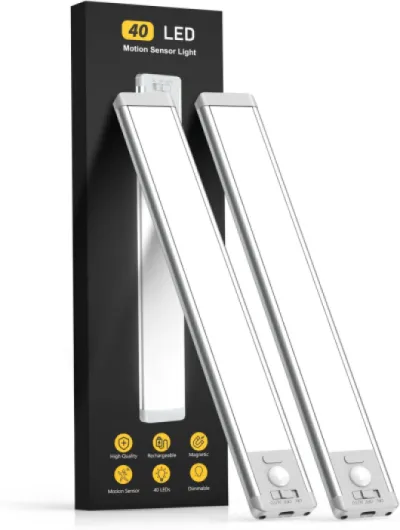
- + Rechargeable and wireless for easy installation
- + Motion sensor feature for automatic lighting
- + 5 levels of dimming for customizable brightness
- + Magnetic design for flexible placement
- + Compact size fits under cabinets or in closets

How laser LED works in smart lighting systems
How laser-based LEDs create powerful illumination
Laser LED technology is gaining attention in the smart lighting world, especially in automotive lighting like BMW’s laser headlights. The core idea is to use laser diodes instead of traditional LEDs. These laser diodes emit a concentrated beam of light, which is then directed onto a phosphor material. This process converts the laser into a safe, bright white light suitable for headlight use.
Laser lights are not just about brightness. They offer a longer range than standard LED headlights, making them ideal for high beam applications. For example, some BMW series models use laser headlights to extend visibility far beyond what adaptive LED or standard LED headlights can achieve. This difference between laser and adaptive LED is especially noticeable when driving at night or on poorly lit roads.
- High intensity: Laser LEDs produce a more focused and intense beam compared to regular LED lights.
- Longer range: The light can reach further down the road, which is appreciated by drivers who value safety and performance.
- Compact design: Laser modules are smaller, allowing for more creative headlight designs and efficient use of space.
Laser LED systems are often paired with smart features, such as adaptive high beam assist, to automatically adjust the light pattern based on driving conditions. This combination is seen in premium vehicles, where the location of the laser module within the headlight assembly is optimized for both style and function.
It’s important to note that while laser LEDs bring impressive performance, they also come with higher costs and more complex engineering compared to adaptive LED lights. For those interested in how smart lighting technologies interact with other smart home devices, you might find this resource on integrating smart lighting with Z-Wave thermostats useful.
In summary, laser LED technology stands out for its power, efficiency, and innovative design, making it a top choice for those who prioritize maximum visibility and cutting-edge lighting in their smart light setup.
Understanding adaptive LED and its unique features
How Adaptive LED Responds to Driving Conditions
Adaptive LED technology in smart lighting systems is designed to automatically adjust the light output and pattern based on real-time driving conditions. Unlike traditional LED headlights, adaptive LED lights use sensors and onboard cameras to detect factors such as vehicle speed, steering angle, and the presence of other vehicles. This allows the system to optimize the beam pattern, providing better visibility without dazzling oncoming drivers.
For example, in many BMW series vehicles, adaptive LED headlights can change the direction and intensity of the light beam as you turn the steering wheel or drive through curves. This feature is especially appreciated by drivers who often travel on winding roads or in areas with limited street lighting. The difference between standard LED headlights and adaptive LED systems is most noticeable during night drives, where adaptive technology enhances safety and comfort.
- Dynamic high beam: Adaptive LED systems can automatically switch between high and low beams, depending on the location of other vehicles and ambient light conditions.
- Selective lighting: The system can dim specific sections of the beam to avoid blinding other drivers, while still illuminating the road ahead.
- Integration with vehicle systems: In some models, adaptive LED lights are connected to navigation data, allowing them to anticipate curves or junctions and adjust the light pattern accordingly.
Many users on forums and review sites have posted about their experiences with adaptive LED headlights, often highlighting the convenience and safety benefits. For instance, a quote originally posted by a drives BMW owner mentioned how the adaptive system made night driving less stressful, especially when encountering oncoming traffic. The ability to join the conversation and share feedback is common in online communities, where rep posts and appreciate quote icons are used to signal helpful insights.
Adaptive LED technology is not limited to luxury vehicles. As the cost of LED lights decreases, more manufacturers are including adaptive features in their headlight systems. This trend is expected to continue, making advanced lighting accessible to a wider range of drivers.
If you are considering upgrading your vehicle's lighting system, it's worth exploring how adaptive LED compares to other options like laser lights. For those interested in enhancing home security as well, you might appreciate this guide on why a mortise smart lock could be the upgrade your home needs.
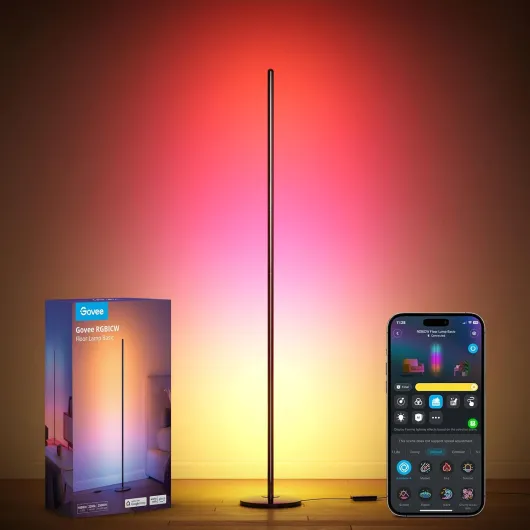
- + Works with Alexa
- + 1000 Lumen brightness
- + Music Sync feature
- + 16 Million DIY Colors
- + Color Changing
Key differences between laser LED and adaptive LED
Comparing Performance and Functionality
When looking at the difference between laser LED and adaptive LED in smart lighting, it’s important to focus on how each technology performs and adapts to real-world driving conditions. Both are advanced lighting solutions, especially popular in high-end vehicles like BMW, but they use different approaches to improve visibility and safety.
- Light Output and Range: Laser lights are known for their intense brightness and long range. They can project a high beam much farther than traditional LED headlights, making them ideal for highway driving or rural locations. Adaptive LED lights, on the other hand, adjust their beam pattern based on driving conditions, but typically don’t reach the same distance as laser headlights.
- Adaptability: Adaptive LED systems use sensors to detect oncoming traffic and automatically adjust the light distribution. This means the lights can dim certain sections to avoid blinding other drivers, while still illuminating the road ahead. Laser LED systems focus more on raw power and distance, with less emphasis on adaptive features.
- Technology Integration: Adaptive LED lights are often integrated with other smart features, such as automatic high beam assist and cornering lights. Laser lights are usually found in premium series, like BMW’s higher-end models, and are often paired with LED technology for low beams.
- Design and Aesthetics: Both laser and adaptive LED headlights offer modern, sleek designs. However, laser headlights are sometimes seen as a status icon, especially in luxury vehicles. The look and feel of these lights can influence a driver’s appreciation for their car’s lighting system.
Real-World Use Cases
BMW drivers often discuss the difference between laser and adaptive LED lights in forums and posts. Many appreciate the quote originally posted by users who have tested both technologies, highlighting that laser lights excel in long-distance visibility, while adaptive LEDs provide a more comfortable experience in city driving. The location where you drive most often can influence which technology is best for you.
| Feature | Laser LED | Adaptive LED |
|---|---|---|
| Light Range | Very long (ideal for highways) | Moderate (optimized for city and mixed driving) |
| Adaptability | Limited | High (dynamic beam adjustment) |
| Integration | Often paired with LED low beams | Integrated with smart features |
| Availability | Premium models (e.g., BMW series) | Wider range of vehicles |
In summary, the key difference between laser LED and adaptive LED lies in their approach to lighting: laser lights focus on maximum range and brightness, while adaptive LEDs prioritize smart, responsive illumination. Your choice may depend on your driving habits, location, and how much you value features like automatic adjustment and high beam control.
Advantages and drawbacks of each technology
Comparing Strengths and Weaknesses of Laser LED and Adaptive LED
When looking at smart lighting, especially in automotive applications like BMW headlights, understanding the difference between laser LED and adaptive LED is crucial. Each technology brings its own set of benefits and limitations, which can impact your choice depending on your needs and location.- Laser LED Advantages: Laser lights are known for their impressive brightness and range. In high beam mode, laser headlights can illuminate the road much farther than traditional LED headlights. This makes them particularly useful for drivers who often travel on dark, open roads or rural areas. Laser LED technology is also more energy-efficient at higher intensities, which can help reduce power consumption in vehicles.
- Laser LED Drawbacks: Despite their power, laser headlights tend to be more expensive and complex to maintain. Not every location allows their use due to strict regulations on headlight brightness. Some users have posted concerns about the potential glare for oncoming traffic, which can be a safety consideration.
- Adaptive LED Advantages: Adaptive LED lights automatically adjust their beam pattern based on driving conditions. This means better visibility without blinding other drivers. BMW’s adaptive LED headlights, for example, can change the light distribution when cornering or in response to oncoming vehicles. Many drivers appreciate the convenience and safety of this feature, as seen in various posts and rep posts on automotive forums.
- Adaptive LED Drawbacks: While adaptive LED lights offer excellent flexibility, their maximum brightness and range may not match that of laser lights. Some users have originally posted that adaptive systems can be sensitive to sensor malfunctions, which might require more frequent maintenance. The technology can also add to the overall cost of the vehicle, especially in premium series like BMW.
| Feature | Laser LED | Adaptive LED |
|---|---|---|
| Brightness/Range | Very high, long distance | Moderate to high, optimized for conditions |
| Energy Efficiency | Efficient at high output | Efficient, especially at lower outputs |
| Cost | Higher | Moderate to high |
| Maintenance | More complex | Sensor-dependent |
| Adaptability | Fixed beam | Dynamic, adjusts to driving |
Choosing the right smart light for your needs
Factors to Consider When Selecting Smart Lighting
When deciding between laser LED and adaptive LED technologies for your smart lighting setup, it’s important to weigh several factors. Both options offer advanced features, but the right choice depends on your specific needs, preferences, and environment.
- Location and Usage: Consider where you plan to install the lights. For example, laser headlights are popular in high-end vehicles like BMW series, providing a focused, high beam ideal for open roads. Adaptive LED lights, on the other hand, excel in urban settings where changing conditions require dynamic adjustment.
- Performance Needs: If you appreciate maximum brightness and long-range visibility, laser lights might be the better fit. However, adaptive LED headlights automatically adjust to traffic and weather, offering a safer and more comfortable driving experience in varied conditions.
- Technology Integration: Some users value the ability to integrate their smart lights with other systems. Adaptive LED lights often support more advanced features, such as automatic high beam control and icon adaptive lighting, which can be especially useful for those who drive BMW or similar vehicles with smart tech.
- Cost and Maintenance: Laser LED technology tends to be more expensive and may require specialized maintenance. Adaptive LED lights, while still advanced, are generally more accessible and easier to maintain for most users.
- Community Feedback: Reading posts, quotes, and reviews from other drivers on forums can provide real-world insights. Look for rep posts, appreciate quote threads, and itrader quote feedback to understand how each lighting system performs over time.
| Feature | Laser LED | Adaptive LED |
|---|---|---|
| Brightness | Very high, long-range | High, adjusts to conditions |
| Adaptability | Fixed beam pattern | Dynamic, responsive |
| Cost | Higher | Moderate |
| Maintenance | Specialized | Standard |
| Best For | Highway, performance cars (e.g., BMW drives) | City, mixed driving, safety-focused |
Ultimately, the difference between laser LED and adaptive LED comes down to your driving habits, the environments you frequent, and how much you value features like automatic adjustment or sheer brightness. Whether you join jun discussions on forums or read icon adaptive posts, gathering feedback from the community can help you make a more informed decision. If you drive a BMW or similar vehicle, check your model’s compatibility with laser lights or adaptive LED headlights before making a purchase.