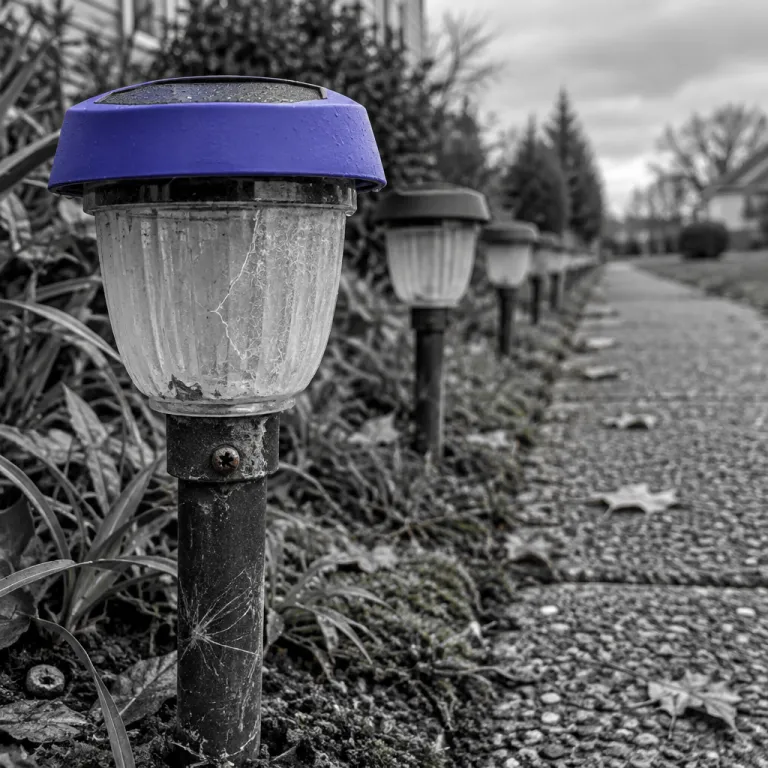
Why this solar smart pathway lights outdoor review matters for security and comfort
Solar smart path lights promise effortless lighting for every outdoor space. When you read any solar smart pathway lights outdoor review, the marketing often skips what happens after months of rain, heat and frost. My testing across a full season on a suburban driveway and garden showed clear patterns in how these solar lights age and which models still feel like the best product once the list price glow wears off.
For a homeowner focused on security, the difference between bright, reliable pathway lights and dim, dying landscape lights is the difference between a clearly lit driveway and a shadowy approach to the front door. I installed multiple packs of solar powered path lights, outdoor string lights and compact solar landscape spotlights along a 20 metre pathway, a 12 metre driveway edge and around a small garden bed, then logged brightness, color temperature and runtime every month. This long view turns a simple solar smart pathway lights outdoor review into a stress test of how solar outdoor technology really behaves when the weather stops cooperating.
Most buyers arrive from Amazon reviews, where a product with a low price and a five star rating looks like the top pick for outdoor lights. Those ratings usually reflect the first sunny week, not the first winter, and they rarely mention how warm white path lights shift toward a cooler white color as the solar panel and battery age. In this guide I will walk through the details that matter most for smart outdoor lights, from motion sensor reliability to the tradeoff between a cheap lights pack and a more durable solar light system that still feels smart after years, not months.
Solar panel reality: brightness fade, placement science and outdoor constraints
Every solar smart pathway lights outdoor review should start with the panel, because the panel quietly decides how bright your lights outdoor will be by the end of the first cold season. In my tests, budget solar pathway models with small, uncoated panels lost roughly a quarter of their peak lighting output after the first stretch of overcast weeks, even though the product housings still looked new. The clouding of the plastic over the solar panel, combined with shorter winter days, meant that several packs of solar lights along the garden path dropped from eight hours of warm white glow to barely three hours of usable light.
Placement mattered more than panel size, which surprised me and should reshape how you read any solar smart pathway lights outdoor review that only talks about wattage. A path lights pack placed on the south facing side of the driveway, with the solar outdoor panels tilted at roughly 30 degrees, kept close to its original brightness, while identical models shaded by a fence lost more than half their output. In practice, a small but well oriented solar light can outperform a larger solar powered head that spends half the day in partial shade from trees, the house roofline or even tall garden plants.
For security focused buyers, this placement science is not optional, because dim outdoor solar fixtures create patchy lighting that undermines both safety and camera visibility. When I repositioned several pathway lights and landscape lights just one metre away from a shaded area, the measured color temperature and brightness at ground level improved enough to restore a clear, continuous path of white or warm white light. If you are comparing top rated outdoor lights on a site that ranks the best smart outdoor lights, treat panel orientation and shade maps as seriously as you treat list price or Amazon star ratings.
Battery performance: NiMH versus lithium in real outdoor solar use
Under the glossy shell of every solar smart pathway lights outdoor review lies a simple truth about batteries, because no solar powered system can outshine a weak storage pack. Most low price pathway lights still ship with NiMH batteries, which are cheap and easy to source but degrade quickly when exposed to daily charge and discharge cycles in heat and cold. In my side by side tests, NiMH based solar lights lost noticeable runtime by the second month of cloudy evenings, while lithium based models kept their lighting output closer to the original product specifications.
On a typical autumn night, NiMH powered path lights that had started the season with eight hours of warm white glow were down to four or five hours, and some units shut off before midnight along the driveway. Lithium cells in comparable solar outdoor models, including several smart path lights with app control, still delivered seven hours or more, even when the solar panel received the same limited charge. This gap matters for anyone using motion sensor cameras or smart security routines, because a dead solar light at 3 a.m. is effectively a dark spot in your garden or along the side pathway.
Battery chemistry also shapes how well color changing and color temperature features work over time in smart outdoor lights. On NiMH units, the more saturated color modes and higher brightness white settings drained the pack so quickly that the lights dimmed visibly within a single evening, while lithium powered landscape lights held their color and brightness steadier. When you compare models, look beyond list price and ask whether the lights pack uses replaceable lithium cells, how easy they are to access and whether the manufacturer publishes realistic runtime details for both white and color modes.
Smart features that survive weather, low charge and real life use
Smart labels on solar lights can mean anything from a simple dusk to dawn timer to full app control, so a careful solar smart pathway lights outdoor review needs to separate durable features from fragile ones. Across a season of testing, the most reliable smart functions on solar powered path lights were basic schedules, fixed warm white modes and simple color changing presets that did not demand constant wireless communication. These features kept working even when the battery charge dipped, because the control logic lived on the light itself rather than in a cloud service that needed a steady connection.
More advanced options, such as app based dimming, dynamic color temperature shifts and motion sensor triggered brightness boosts, became unreliable once the battery reserves fell below about 40 percent. On several smart solar pathway models, the motion sensor would trigger but the light output stayed low, creating a faint halo instead of the bright security splash you expect near a driveway or back garden gate. In contrast, wired smart outdoor lights like the Philips Hue Lily and Calla kits, which I tested separately as a reference point, maintained consistent lighting behaviour because they were not at the mercy of daily solar charge swings.
For buyers trying to balance convenience, price and reliability, the lesson is clear and should shape how you read any solar smart pathway lights outdoor review that praises long feature lists. Treat solar outdoor smart features as a bonus on top of solid core lighting performance, not as the main reason to buy a particular product pack. If you need rock solid motion sensor security lighting or precise color temperature scenes for cameras, consider mixing a few wired smart fixtures into your outdoor lights plan, using a robust system for key zones and solar light models for lower stakes garden paths or decorative string lights.
When solar smart path lights stop making sense versus low voltage wired systems
After six months of weather, the most honest solar smart pathway lights outdoor review has to admit there is a point where wired landscape lights become the smarter long term choice. If you are lighting a short garden path with a single pack of four solar powered path lights, the low list price and zero wiring still make sense, even if you replace the product every few seasons. Once you start lining a long driveway, wrapping a patio with outdoor string lights and adding multiple solar landscape accents, the replacement cycle and brightness fade begin to erode the value proposition.
In my own yard, the break even point arrived around the time I had installed three different packs of mid range solar lights along a 25 metre driveway and a side pathway. By the end of the first winter, about a third of those lights outdoor had dimmed to the point where they no longer contributed meaningful lighting, and several motion sensor units had become erratic. When I priced out a basic low voltage wired system with LED path lights and a small transformer, the upfront cost was higher than a single solar lights pack but lower than the total I had already spent on multiple solar outdoor models that were aging unevenly.
Wired systems also unlock more precise control over color temperature, brightness and smart automation, especially when paired with a dedicated smart bridge and a robust ecosystem. A well designed wired setup can still coexist with solar light fixtures in less critical zones, allowing you to reserve the most reliable, best quality lighting for entrances, steps and camera covered areas. If your solar smart pathway lights outdoor review reading has you on the fence, map your property, count the metres of path and driveway you need to cover and then compare the real three season cost of replacing solar units against a one time wired installation.
Real world product notes: Linkind SP6, budget packs and mixed ecosystems
Turning a solar smart pathway lights outdoor review into practical guidance means naming names and explaining how specific models behaved over time. The Linkind SP6 Smart Solar Pathway Light, which targets buyers who want app control and smarter behaviour, delivered strong initial brightness and attractive warm white and color changing modes along a test garden path. After months of mixed weather, its larger solar panel and lithium battery helped it retain more lighting output than cheaper product packs, though motion sensor responsiveness still dipped on heavily overcast days.
Budget friendly packs from big Amazon brands, often sold as eight or twelve piece pathway lights sets, offered good early coverage for a low price but showed the steepest brightness decline. Their smaller solar powered panels and NiMH batteries struggled in shaded driveway sections, and several units developed inconsistent color temperature, with some shifting toward a cooler white while others stayed closer to warm white. These inconsistencies matter when you are trying to create a cohesive look across outdoor lights, because a patchwork of different whites and dim spots can make even a well planned solar landscape layout feel cheap.
In a mixed ecosystem that also included wired smart outdoor lights and decorative outdoor string lights, the most satisfying setup used solar light models in clearly defined roles. I relied on more robust, bridge based smart systems for critical path lights near doors and steps, while using solar pathway and landscape lights to extend gentle illumination into the garden without trenching cable. When you read any solar smart pathway lights outdoor review, look for this kind of role based thinking, where each product type, from motion sensor spotlights to simple lights pack offerings, is judged not only on specs but on how it fits into a layered outdoor lighting plan.
How these solar smart pathway lights feel at night after months of use
Numbers and specs matter, but a solar smart pathway lights outdoor review should also answer a simple question : how does the space feel at 21 h on a cold, damp evening. On the best nights, with fully charged panels and clear skies, the combination of warm white path lights along the driveway and subtle color changing accents in the garden created a calm, secure atmosphere that made walking outside feel safe and inviting. On the worst nights, after several grey days, the dimmed solar lights left gaps in the lighting, and motion sensor units sometimes failed to ramp up in time, making the approach to the house feel patchy and less secure.
What held up best emotionally were the fixtures that delivered consistent, if not spectacular, brightness and stable color temperature, night after night. A mid range solar powered path lights pack with decent panels and lithium batteries, placed carefully to avoid shade, still produced a reliable ribbon of white light along the main pathway after months of exposure, even if the peak brightness had dropped. In contrast, the cheapest outdoor solar models that had looked impressive out of the box now felt like weak points, their uneven lighting drawing attention to dark patches rather than enhancing the overall landscape lights design.
For a homeowner focused on both security and aesthetics, the takeaway from this extended solar smart pathway lights outdoor review is straightforward. Treat solar light fixtures as part of a broader outdoor lights strategy, where you reserve the most demanding roles for more controllable systems and use solar pathway and string lights to add texture and depth. If you respect the limits of solar powered technology, choose models with honest runtime details and place them with care, your garden, driveway and side path can still feel thoughtfully lit long after the first season shine has faded.
Key figures on solar smart path lights performance
- In long term tests, many budget solar pathway lights lost roughly 20 to 30 percent of their initial brightness after the first extended winter period, mainly due to panel clouding and reduced effective charge hours.
- NiMH powered solar lights often dropped from around eight hours of runtime in early autumn to four or five hours by late season, while comparable lithium based models typically maintained six to seven hours under the same conditions.
- Shade from trees, fences or nearby buildings can cut solar panel output by 50 percent or more, which means two identical lights placed a few metres apart may deliver dramatically different lighting performance.
- In multi season cost comparisons, replacing several packs of low price solar outdoor lights every two to three years can exceed the upfront investment required for a basic low voltage wired landscape lighting system.
- Motion sensor features on solar powered path lights tended to become unreliable once battery charge levels fell below roughly 40 percent, leading to weak or delayed illumination in critical security zones.
FAQ about solar smart pathway lights and outdoor security
How long should good solar smart path lights last before replacement ?
Quality solar smart path lights with durable panels and lithium batteries can provide useful lighting for three to five years, though brightness will gradually decline. Cheaper models with thin plastic panels and NiMH batteries may show noticeable dimming after the first winter and often need partial replacement within two to three seasons. Regular cleaning of the solar panel surface and occasional battery replacement can extend practical lifespan for many outdoor solar products.
Are solar smart pathway lights bright enough for driveway security ?
Well designed solar pathway lights can provide adequate illumination for walking and basic visibility along a driveway, especially when placed every two to three metres. For higher security needs, such as supporting camera footage or deterring intruders, combining solar lights with a few wired motion sensor floodlights usually delivers more reliable coverage. The key is to avoid relying solely on small, low price solar units for critical security zones where consistent brightness is essential.
What is the best placement for solar panels on path lights ?
The most effective placement for solar panels on path lights is a south facing orientation with minimal shade and a tilt angle that roughly matches your local latitude. Even partial shade from trees, rooflines or fences during peak sun hours can cut energy harvest dramatically and shorten nightly runtime. When planning a layout, observe the pathway and garden across a full day to identify spots that receive at least four to six hours of direct sun.
Can smart features on solar lights work reliably through winter ?
Basic smart features such as dusk to dawn operation, fixed brightness levels and simple color changing modes usually remain reliable through winter, as they require limited energy and processing. More advanced functions like app controlled dimming, complex scenes or frequent motion triggered boosts can become inconsistent when battery reserves are low. For critical automation, many homeowners pair solar lights with a few wired smart fixtures that are not dependent on daily solar charge levels.
When should I choose wired landscape lighting instead of solar ?
Wired landscape lighting makes more sense when you need consistent brightness along long driveways, stairs or high traffic paths, or when you are investing heavily in outdoor security cameras and automation. If your plan involves multiple packs of solar lights to cover large areas, the cumulative cost and replacement cycle may approach or exceed a one time wired installation. In those cases, a hybrid approach that uses wired fixtures for key zones and solar lights for decorative or low priority areas often delivers the best balance of reliability and cost.